
Post Office: Be Alert For Dangerous Deliveries in Indiana
The United States Postal Service is warning Indiana residents of a potential danger hiding right on your front porch.
There are so many ways people can get scammed nowadays. You could get a threatening phone call from a scammer, phishing email scams, social media scams, and even text message scams. It's honestly kind of scary, especially for the elderly, who typically fall victim more often. These scammers have gotten very creative throughout the years. It's hard not only to keep up with them, but it has also gotten even harder to decipher what is legitimate and what is a scam. This is just another example of one of those scams, and it's called "brushing."

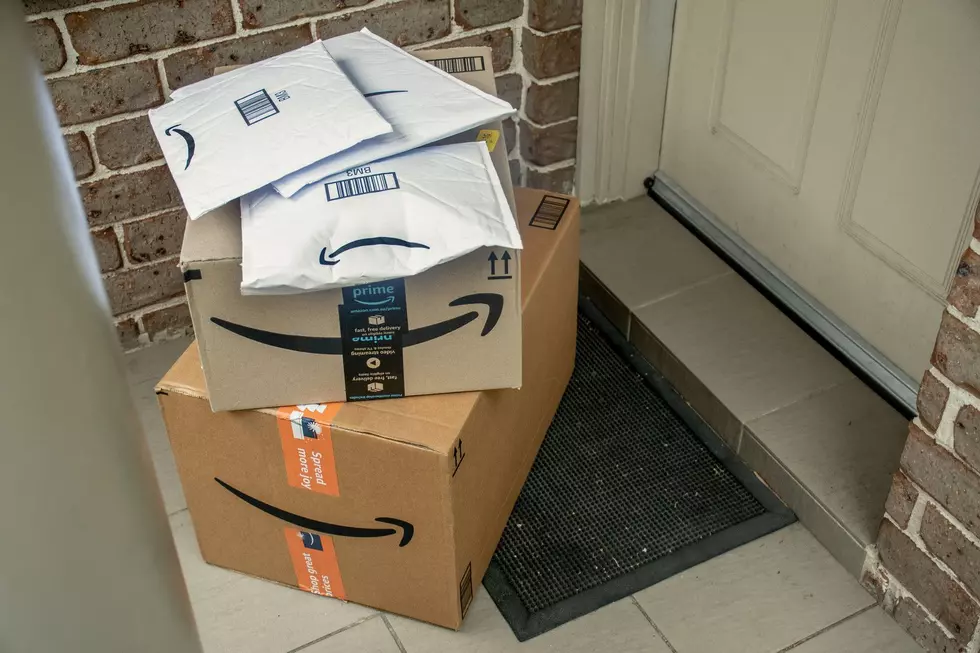
As more and more of us have packages delivered to our homes, especially with the holiday season approaching, the need for caution is on the increase. Let's say you come home from work to find a package from Amazon or another company at your front door. You didn't order anything, but it's addressed to you. It is your lucky day, right? What could be bad about receiving a free gift? A lot!
I Received a Package I Didn't Order. What Should I Do Next?
So, you get a package with your name and address on there, but you didn't order anything. You open the package and realize that you know for a fact that you never ordered that. What next?
The first way a scammer might get you is with a package that you never ordered, according to the United States Postal Service. Third-party sellers will send these packages that contain low-value items like household gadgets or goods. Then, the scammers will use the fact that a package was delivered to your address to write a fake online review. This gives the scammers "verified purchase" status for their own products, which helps them sell more. The USPS goes on to say:
These fraudulent deliveries appear to be harmless, but they may indicate that cybercriminals have access to the recipient’s name, address, and phone number. Once this personal information is online, it can be used for various crooked enterprises.
If you just watched that video, you saw the end of the QR Code portion of the scam. Some of these packages might also come with a card or piece of paper inside that features a QR Code. Sometimes the QR Code is on the box itself and says something advising you to scan it to find out who the sender is, or to scan if there's an issue with the product. Naturally, an honest person will scan the code to report the fact that they did not order it.
Scammers want you to scan the code. The problem is that QR code is really a program that will allow the perpetrators to steal all of your account info and passwords, giving them access to your bank and other online accounts. According to the Better Business Bureau, this scam is called brushing, and it has recently been popping up nationwide.
The rule of thumb is to NEVER scan a QR code unless you know it comes from a reputable source, and you can verify that the reputable source can confirm the reason you're being asked to scan it. These scammers are very clever. They can also spoof reputable businesses and serve you codes that can rob you blind.
The Better Business Bureau offers a few tips in regard to what you can do if you find yourself a part of one of these brushing scams:
Notify the retailer. Brushing and fake reviews are against Amazon’s policies, so contact Amazon Customer Service if this happens to you and the product appears to come from Amazon. They will investigate and take action against the bad actor. Amazon also takes security seriously and encourages customers to report fraudulent purchases or other security issues. If the package appears to come through another established business, go directly to their website to get their contact information. If you prefer to contact the business by phone, be cautious about searching for support phone numbers.
Attempt to identify the sender. If you can identify the sender of unordered packages, consider checking for potential false reviews in your name - and ask for the reviews to be removed.
Check your account for recent orders. Some targets of brushing scams can be deluged with unordered packages, creating a serious problem. If this happens, consider whether to refuse package delivery at your home address and temporarily direct items that you did order to a package acceptance service.
Change your account passwords. This may be a sign that personal information has been compromised, and to improve account security, keep a close eye on credit reports and credit card bills.
You are allowed to keep the merchandise. The Federal Trade Commission says you have a legal right to keep unordered merchandise.
Protect your identity. BBB advises to take all necessary precautions to prevent identity theft. Be careful when entering personal information online, and ensure you use a secure site.
10 Indiana Laws You Don't Know You're Breaking
LOOK: Where people in Indiana are moving to most
Gallery Credit: Stacker
Alternate Slogans For Indiana's new Welcome Signs
More From WKDQ-FM